Resources
Scriptures
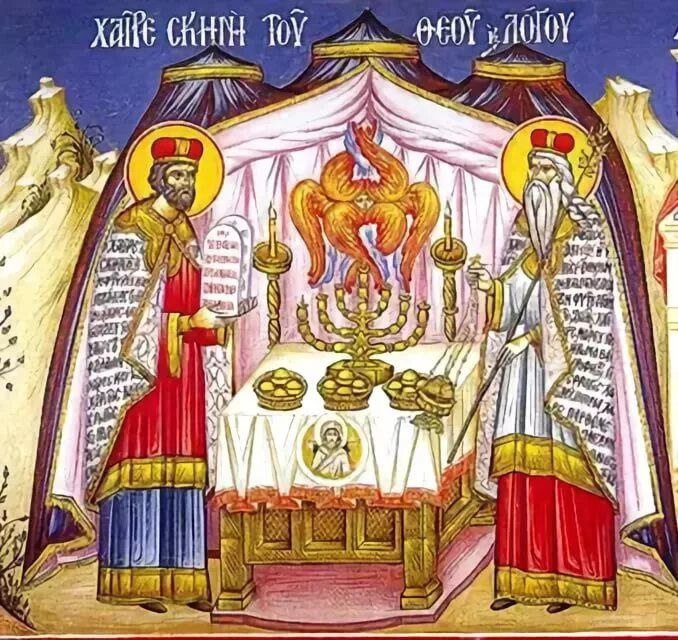
| Old Testament | New Testament |
|---|---|
| Genesis | Matthew |
| Exodus | Mark |
| Leviticus | Luke |
| Numbers | John |
| Deuteronomy | Acts |
| Josue | James |
| Judges-Ruth | I-II Peter |
| I-II Kings | I-III John |
| III-IV Kings | Jude |
| I-II Chronicles | Romans |
| I-II Esdras | I-II Corinthians |
| (Tobit) | Galatians |
| (Judith) | Ephesians |
| (Esther) | Philipians |
| (I-III Maccabees) | Colossians |
| Job | I-II Thessalonians |
| Psalms | I-II Timothy |
| Proverbs | Titus |
| Ecclesiastes | Philemon |
| Song of Songs | Hebrews |
| (Wisdom) | Apocalypse |
| (Sirach) | |
| The Twelve | |
| Esaias | |
| Jeremias | |
| Ezechial | |
| Daniel |
| (Deuterocanon.) |
-
For the Old Testament: the first five books (Genesis to Deuteronomy) are called the Peneteuch & the Law. The next eight (Josue to Maccabees) are called historical. Then the next seven (Job to Sirach) are called poetic. The last five (the Twelve Prophets to Daniel) are called prophetic.
-
The Twelve, also called the Minor Prophets, are: j. Osee, ij. Amos, iij. Michæas, iv. Joel, v. Abdias, vi. Jonas, vij. Naum, viij. Abacuc, ix. Sophonias, x. Aggæus, xi. Zacharias, & xij. Malachias.
-
The Prayer of Manasses is appended to II Chronicles.
-
Nehemias is appended to II Esdras. Regarding the counting of the books of Esdras:
| Septuagint | Vulgate | Masoretic |
|---|---|---|
| I Esdras | III Esdras | ————————– |
| II Esdras | I-II Esdras | Esdras-Nehemias |
| III Esdras | IV Esdras | ————————– |
-
Tobit is also called Tobias.
-
Baruch, Lamenations, & the Epistle of Jeremias are appended to Jeremias.
-
Susanna is prepended to Daniel, & Bel & the Serpent is appended.
-
The Psalms are one-hundred & fifty in number.
Disputed
| Greek | Slavic |
|---|---|
| IV Maccabees | III Esdras |
These are included in appendices in Bibles, but their status as Sacred Scripture is not dogmatized.
Apocrypha
| Old Testament | New Testament |
|---|---|
| Psalms of Solomon | Apocalypse of Peter |
| Epistle of Barnabas | |
| Gospel of the Hebrews |
Some further count the Shepherd of Hermas, the Didache, & I-II Clement. These were passed down in appendices & are beneficial, but are not read in church nor counted with Sacred Scripture.
Additionally, the Lesser Genesis (so-called Jubilees), the Watchers (so-called I Enoch ch. I-XXXVI), & the Protoevangelium of James contain matters referenced by the Apostles, but are not authentic.
Councils
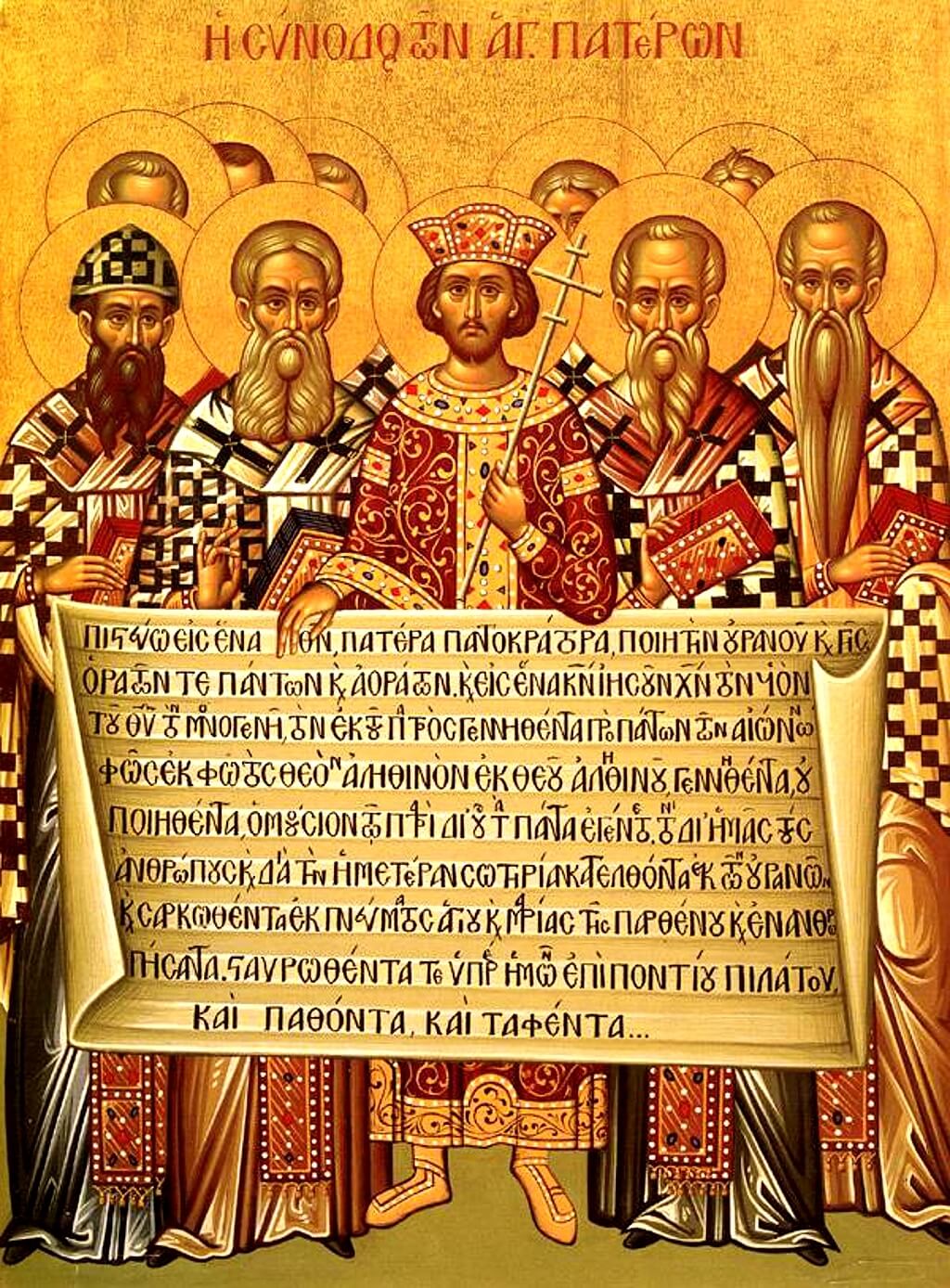
Œcumenical
- First – Nicæa I (5834 AM)
- Second – Constantinople I (5890 AM)
- Third – Ephesus (5940 AM)
- Fourth – Chalcedon (6960 AM)
- Fifth – Constantinople II (6062 AM)
- Sixth – Constantinople III (6189 AM)
- Quinisext – Trullo (6201 AM)
- Seventh – Nicæa II (6296 AM)
- Eighth – Constantinople IV (6388 AM)
- Ninth – Conatantinople V (6850 AM)
The imperial sponsor & the president at each council:
| Council | Sponsor | President |
|---|---|---|
| First | St. Constantine the Great | St. Hosius of Corduba |
| Second | St. Theodosius the Great | St. Meletius of Antioch |
| St. Gregory the Theologian | ||
| Patr. Nectarius of Constantinople | ||
| Third | St. Theodosius the Younger | St. Cyril of Alexandria |
| Fourth | St. Marcian the Emperor | St. Anatolius of Constantinople |
| Fifth | St. Justinian the Great | St. Eutychius of Constantinople |
| Sixth | St. Constantine the New | St. George of Constantinople |
| Quinisext | Emp. Justinian the Slit-nosed | St. Paul the New |
| Seventh | Emp. Irene | St. Tarosius of Constantinople |
| Eighth | Emp. Basil the Macedonian | St. Photius the Great |
| Ninth | Emp. John Cantacuzenus | Patr. John Calecas of Constantinople |
| Patr. Isidore of Constantinople |
The principal figures whose theology was accepted or reject at each council:
| Council | Dogmatized | Anathematized |
|---|---|---|
| First | St. Athanasius the Great | Arius of Alexandria |
| Second | St. Gregory the Theologian | Apollinaris of Laodicea |
| Eunomius Cyzicus | ||
| Third | St. Cyril of Alexandria | Nestorius of Constantinople |
| Cælestius | ||
| Fourth | St. Flavian of Constantinople | Eutyches of Constantinople |
| St. Leo the Great | Dioscorus of Alexandria | |
| Fifth | St. Justinian the Great | Theodore of Mopsuestia |
| Origin of Alexandria | ||
| Sixth | St. Maximus the Confessor | Sergius of Constantinople |
| Quinisext | ————————— | ————————— |
| Seventh | St. John of Damascus | Leo the Syrian |
| Eighth | St. Photius the Great | Pope Nicholas |
| Ninth | St. Gregory Palamas | Barlaam of Calabria |
| Gregory Acidynus |
The purpose of the quinisext council was to confirm canons rather than doctrine which the fifth & sixth passed over silently. These also endorsed:
- The Apostolic Constitutions – lxxxv. canons
- The Council of Ancyra (5828 AM)
- The Council of Neocæesarea (5823 AM)
- The Council of Gangra (5849 AM)
- The Council of Antioch (5850 AM)
- The Council of Serdica (5852 AM)
- The Council of Laodicea (5872 AM)
- The Councils of Carthage (5760-6034 AM)
- The Council of Constantinople (5903 AM)
- St. Dionysius of Alexandria – iv. canons
- St. Gregory the Wonderworker – xij. canons
- St. Peter of Alexandria – xv. canons
- St. Athanasius the Great – iij. canons
- St. Timothy of Alexandria – xviij. canons
- St. Basil the Great – xcij. canons
- St. Gregory the Theologian – j. canon
- St. Gregory of Nyssa – viij. canons
- St. Amphilochius of Iconium – j. canon
- St. Theophilus of Alexandria – xiv. canons
- St. Cyril of Alexandria – v. canons
- St. Gennadius of Constantinople – j. canon
Pan-Orthodox
- Jassy (7151 AM)
- Jerusalem (7181 AM)
- Constantinople (7381 AM)
These councils have been received by the whole Church & are of particular importance.
The president at each:
| Council | President |
|---|---|
| Jassy | Patr. Parthenius of Constantinople |
| Jerusalem | Patr. Dositheus Notaras of Jerusalem |
| Constantinople | Patr. Anthimus VI of Constantinople |
Again, those principal figures accepted or rejected:
| Council | Dogmatized | Anathematized |
|---|---|---|
| Jassy | St. Peter Mogila | Lutheranism |
| Jerusalem | Patr. Dositheus Notaras | Calvinism |
| Constantinople | ———————— | Hilarion of Macariopolis |
Ecclesiastical Hierarchy
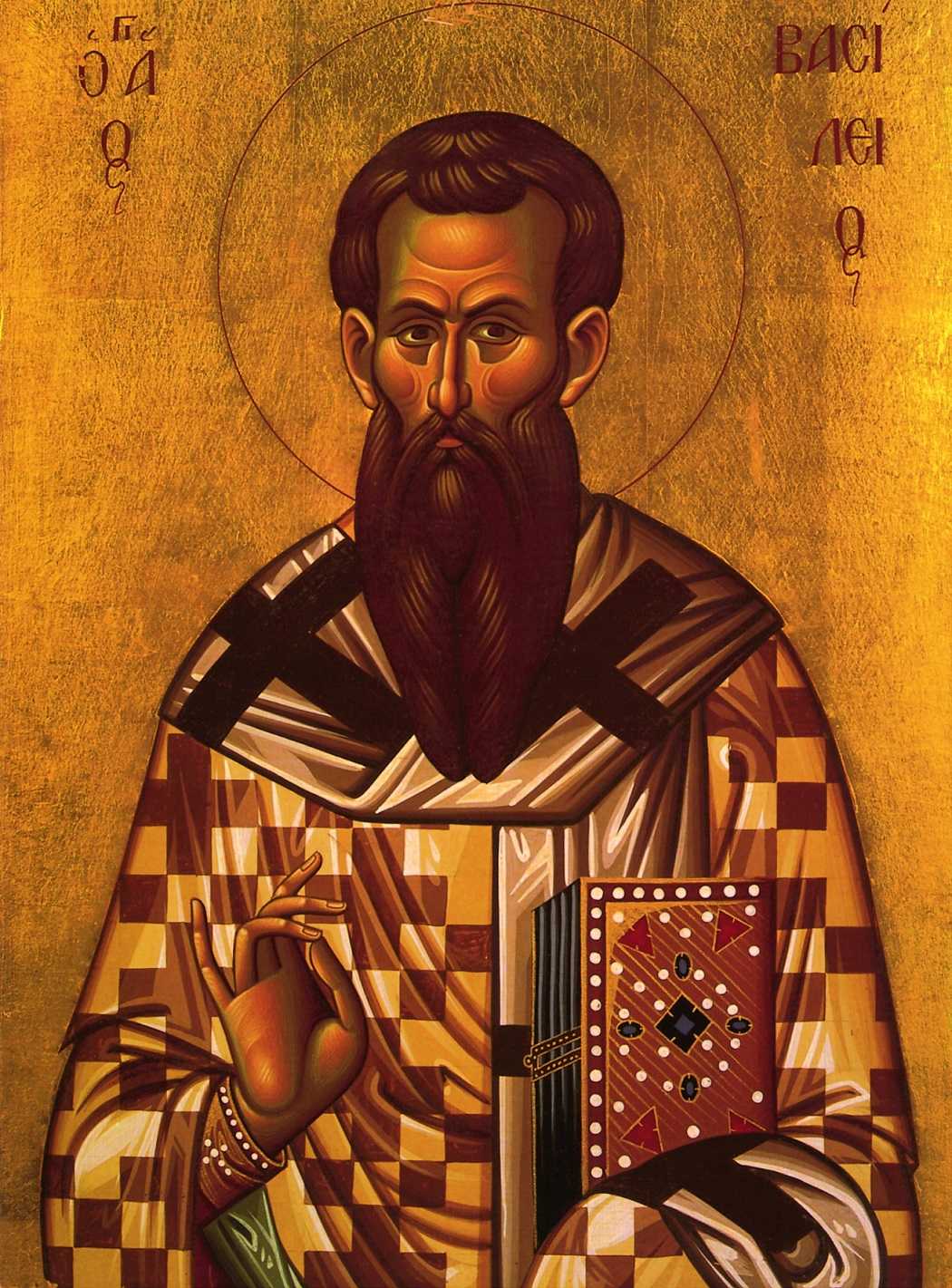
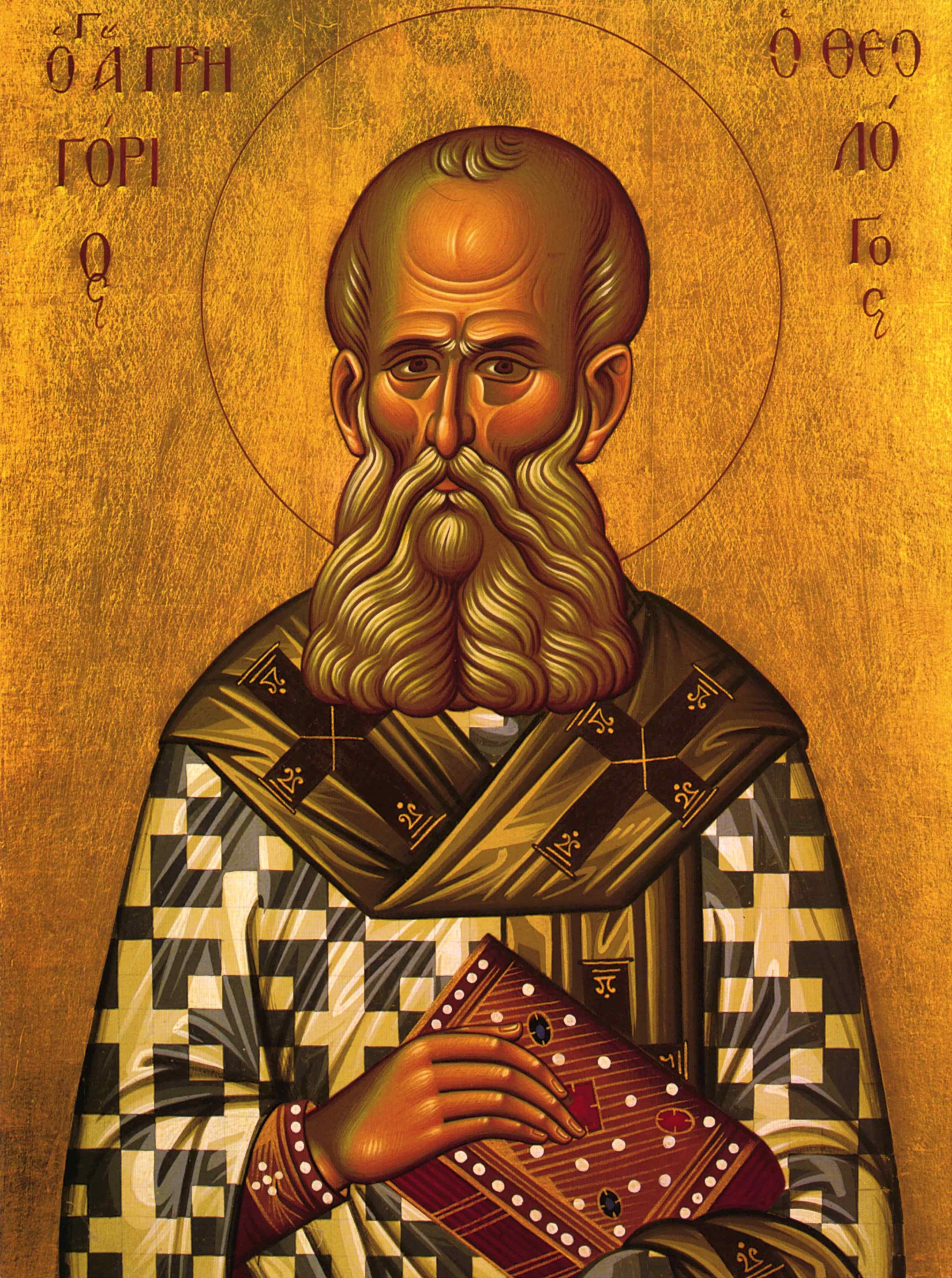
| Ark of the Covenant | Altar Table |
| Pot of Manna | Reserved Gifts |
| Aaron’s Rod | The Lord’s Cross |
| Tables of Testimony | Gospel Books |
| The Temple | The Church |
| Holies of Holies | Altar |
| Holies | Nave |
| Court | Narthex |
| Aaronic Order | Melchisedechian Order |
| High Priest | Bishop |
| Priests | Priests |
| Levites | Deacons |
| High Sabbaths | Great Feasts |
| Passover | Pascha |
| Weeks | Pentecost |
| Tabernacles | Transfiguration |
Another two Old Testament holy days—Atonement & the Feast of Lights—have New Testament parallels—the Exaltation of the Cross & the Nativity of the Lord.
- Mysteries
- Baptism
- Chrismation
- Communion
- Repentance
- Unction
- Matrimony
- Ordination
- Saints
- Apostles
- Martyrs
- Prophets
- Hierarchs
- Monastics
- Righteous
- Clergy
- Episcopate
- Patriarch
- Archbishop
- Metropolitan
- Bishop
- Presbyterate
- Archpriest
- Protopriest
- Priest
- Diaconate
- Archdeacon
- Protodeacon
- Deacon
- Suborders
- Subdeacon
- Reader
- Episcopate
- Monastics
- Abbot
- Archimandrite
- Hegumen
- Great Schema
- Stavrophore
- Rassophore
- Novice
- Abbot
The Mysteries are also called Sacraments.
The Mystery of Repentance is more commonly called Confession. Some count more or less than these by considering some as one with others—e.g. Baptism with Chrismation, &c.
Apostles
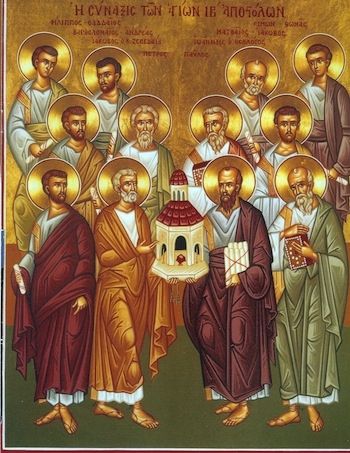
The Twelve Apostles are:
- j. Peter
- ij. Paul
- iij. Andrew the First-called
- iv. James the Great
- v. John the Theologian
- vj. Bartholemew
- vij. Philip
- viij. Thomas
- ix. Matthew the Evangelist
- x. Simon
- xj. Jude
- xij. James
The Seventy Apostles are:
- j. James the Brother of the Lord
- ij. Mark the Evangelist
- iij. Luke the Evangelist
- iv. Cleopas
- v. Simeon
- vj. Barnabas
- vij. Justus
- viij. Thaddeus
- ix. Ananias
- x. Stephen the Protomartyr
- xj. Philip the Deacon
- xij. Prochorus the Deacon
- xiij. Nicanor the Deacon
- xiv. Timon the Deacon
- xv. Parmenas the Deacon
- xvj. Timothy
- xvij. Titus
- xviij. Philemon
- xix. Onesimus
- xx. Epaphras
- xxj. Archippus
- xxij. Silas
- xxiij. Silvanus
- xxiv. Crescens
- xxv. Crispus
- xxvj. Epænetos
- xxvij. Andronicus
- xxviij. Stachys
- xxix. Amplias
- xxx. Urban
- xxxj. Narcissus
- xxxij. Apelles
- xxxiij. Aristobulus
- xxxiv. Herodion
- xxxv. Agabus
- xxxvj. Rufus
- xxxvij. Asyncritus
- xxgviij. Phlegon
- xxxix. Hermas
- xl. Patrobas
- xlj. Hermes
- xlij. Linus
- xliij. Gaius
- xliv. Philologus
- xlv. Lucius of Cyrene
- xlvj. Jason
- xlvij. Sosipater
- xlviij. Olympas
- xlix. Tertius
- l. Erastos
- lj. Quartus
- lij. Evodius of Antioch
- liij. Onesiphorus
- liv. Clement
- lv. Sosthenes
- lvj. Apollos
- lvij. Tychicus
- lviij. Epaphroditus
- lix. Carpus
- lx. Quadratus
- lxj. John Mark
- lxij. Zeno
- lxiij. Aristarchus
- lxiv. Pudens
- lxv. Trophimus
- lxvj. Mark (nephew of Barnabas)
- lxvij. Artemas
- lxviij. Aquila
- lxviv. Fortunatus
- lxx. Achaicus
Further, an additional two are counted by some for Seventy-two Apostles:
- lxxj. Dionysius the Areopagite
- lxxij. Simon
Jurisdictions
| Church | Primate |
|---|---|
| 🇮🇹 Rome | ————————— |
| 🇹🇷 Constantinople | Ecu. Patr. Bartholomew |
| 🇪🇬 Alexandria | PP. Theodore |
| 🇸🇾 Antioch | Patr. John |
| 🇯🇴 Jerusalem | Patr. Theophilus |
| 🇷🇺 Moscow | Patr. Cyril |
| 🇬🇪 Mtskheta-Tbilisi | Patr. Elias |
| 🇷🇸 Peč | Patr. Porphyry |
| 🇷🇴 Bucharest | Patr. Daniel |
| 🇧🇬 Sofia | Patr. Daniel |
| 🇨🇾 New Justiniana | Abp. George |
| 🇬🇷 Athens | Abp. Jerome |
| 🇵🇱 Warsaw | Mtr. Sabbas |
| 🇦🇱 Tirana | Abp. Anastasius |
| 🇸🇰 Prešov | Mtr. Rostislav |
| 🇲🇰 Skopje | Mtr. Stephan |
| 🇺🇸 Washington | Mtr. Tikhon |
| 🇪🇬 Sina | Abp. Symeon |
| 🇫🇮 Helsinki | Abp. Elias |
| 🇯🇵 Tokyo | Mtr. Seraphim |
| 🇺🇦 Kiev | Mtr. Onuphrius |
| 🇨🇳 Beijing | ————————— |
| 🇰🇵 Korea | Mtr. Theophanes |
| 🇺🇸 Russian Church Abroad | Mtr. Nicholas |
| 🇧🇾 Minsk | Mtr. Benjamin |
| 🇲🇩 Kishinev | Mtr. Vladimir |
| 🇱🇻 Riga | Mtr. Alexander |
| 🇪🇪 Tallinn | Mtr. Eugene |
The first five (Rome to Jerusalem) are called the Ancient Patriarchates. The next five (Moscow to Sofia) are called the Junior Patriarchates. The Patriarchates & the following seven (New Justiana to Washington) are all autocephalous (i.e. self-headed).
The next seven from Sina to the Russian Church Abroad are autonomous (i.e. self-governing); Sina being under Jerusalem, Helsinki under Constantinople, & the rest under Moscow.
The last four from Minsk to Tallinn are semi-autonomous, under Moscow.
Liturgics
| Service | O’Clock |
|---|---|
| Vespers | 6PM |
| Compline | 9PM |
| Midnight Office | 12AM |
| Matins | 3AM |
| First Hour | 7AM |
| Third Hour | 9AM |
| Sixth Hour | 12PM |
| Ninth Hour | 3PM |
The Divine Liturgy is mystically outside the daily cycle, but is usually celebrated after the Sixth Hour.
The liturgical tradition of the Church was standardized by the Great Lavra of St. Sabbas in Jerusalem, Palestine, which was founded in 5987 AM. It was re-standardized for civil use by St. Theodore (†6335 AM) at the Studion Monastery, Constantinople.
The contemporary differences between the Greeks & the Slavs comes from a Greek reform in 7347 AM, & a revision of it in 7397 AM by Protopsaltes George Biolaces. More details about the differences.
- Gospel
- Book of the Gospels, one volume. Contains the Scripture readings from the canonical Gospels.
- Apostol
- Book of the Apostles, one volume. Contains the Scripture readings from the canonical Book of Acts & Epistles, but not the Apocalypse.
- Prophetologion
- Book of the Prophets, one volume. Contains the Scripture readings from the Septuagint, but not the Psalms.
- Psalter
- Book of Psalms, one volume. Contains the canonical Psalms & Odes from the Septuagint.
- Horologian
- Book of the Hours, one volume. Contains the immobile portions of the hourly services.
- Octoechos
- Book of the Eight Tones, eight volumes. Contains the mobile portions for each tone of the week.
- Menaion
- Book of the Months, twelve volumes. Contains the mobile portions for each commemoration of the day.
- Triodion
- Book of the Three Odes, one volume. Contains the mobile portions for each day of Great Lent & Holy Week.
- Flowry Triodion
- Also called the Pentecostarian, or Book of the Fifty Days, one volume. Contains the moving portions for each day of Pascha & Pentecost.
- Synaxarion
- Books of the Synaxes, twelve volumes. Contains readings of the lives of the Saints.
- Menologion
- Contains a list of the commemorations for each day.
Calendar
Paschal Cycle
Pascha is calculated as the Sunday after the first full moon after the vernal equinox, i.e. March 21.
| Season | Feast | Before Pascha |
|---|---|---|
| Pre-Lenten | St. Zacchæus | 11th Sunday |
| Parable of the Publican & the Pharisee | 10th Sunday | |
| Parable of the Prodigal Son | 9th Sunday | |
| Last Judgement | 8th Sunday | |
| Expulsion from Paradise | 7th Sunday | |
| Great Lent | Clean Monday | 7th Monday |
| St. Theodore the Recruit | 7th Saturday | |
| Triumph of Orthodoxy | 6th Sunday | |
| St. Gregory Palamas | 5th Sunday | |
| Veneration of the Cross | 4th Sunday | |
| St. John Climacus | 3rd Sunday | |
| The Acathist | 3rd Saturday | |
| St. Mary of Ægypt | 2nd Sunday | |
| Holy Week | Raising of Lazarus | 2nd Saturday |
| Entrance of the Lord | 1st Sunday | |
| Joseph the All-comely | 1st Monday | |
| Parable of the Ten Virgins | 1st Tuesday | |
| Anointing of the Lord | 1st Wednesday | |
| Washing of the Feet | 1st Thursday | |
| Passion of the Lord | 1st Friday | |
| Burial of the Lord | 1st Saturday |
- Of the Last Judgement is also called Meat-fare.
- Of the Expulsion from Paradise is also called Forgiveness Sunday & Cheese-fare.
- Of St. Gregory Palamas was, in prior times, dedicated to St. Polycarp.
- Of the Entrance of the Lord is also called Palm Sunday.
After these is Pascha, then the feasts preceding Pentecost:
| Feast | After Pascha |
|---|---|
| St. Thomas | 1st Sunday |
| Holy Myrrhbearers | 2nd Sunday |
| Healing of the Parapalytic | 3nd Sunday |
| Meso-Pentecost | 4th Wednesday |
| St. Photina | 5th Sunday |
| Ascension of the Lord | 40th Day |
| First Œcumenical Council | 6th Sunday |
| Pentecost | 7th Sunday |
| All Saints | 8th Sunday |
Great Feasts
| Feast | Date |
|---|---|
| Nativity of the Mother of God | September 8 |
| Exaltation of the Cross | September 14 |
| Entrance of the Mother of God | November 21 |
| Nativity of the Lord | December 25 |
| Theophany | January 6 |
| Meeting of the Lord | Febuary 2 |
| Annunciation | March 25 |
| Entrance of the Lord | ————— |
| Ascension of the Lord | ————— |
| Pentecost | ————— |
| Transfiguration of the Lord | August 6 |
| Dormition of the Mother of God | August 15 |
Besides these twelve great feasts, there are these five others:
| Feast | Date |
|---|---|
| Circumcision of the Lord | January 1 |
| Nativity of the Forerunner | June 24 |
| SS. Peter & Paul | June 29 |
| Beheading of the Forerunner | August 29 |
| Protection of the Mother of God | October 1 |
Fasting
The Typicon uses these symbols for each rank of feast, with the corresponding fasting rules:
| Symbol | Rank |
|---|---|
| 🕀 | Great Feast |
| 🕁 | Vigil |
| 🕂 | Polyeos |
| 🕃 | Doxology |
| 🕃 | Six Sitchera |
Generally every Wednesday & Friday, except during a Great Feast, we fast from all dairy, eggs, & flesh (of vertebrates), with wine & oil.
During Great Lent & the Dormition fast, on days of a doxology, polyeos, or vigil rank feast, wine & oil are permitted. During the Nativity & Apostles’ fasts, wine & oil with are permitted on days of a doxology or polyeos, only if it is not Wednesday or Friday, which for those only wine & oil is permitted.
On the five days before Nativity, absolutely no fish is permitted.
During the Great & Holy Week, no permissions are prescribed, absolutlely nothing is to be eaten or drank on Great Friday, & only wine, but not oil, is permitted on Great Saturday.
The Greeks interpret wine & oil as referring to all alcohols & oils, but the Russians interpret it as for only wine & olive oil.
Celestial Hierarchy
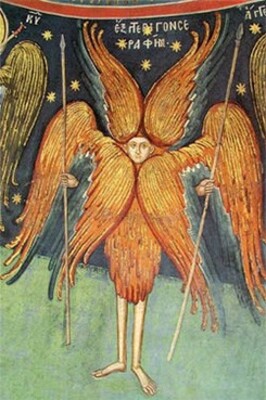

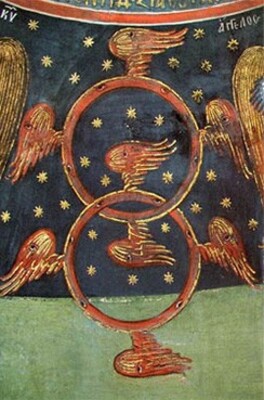
| Order | Name | Greek | Hebrew |
|---|---|---|---|
| First | Seraphim | seraphī́m | seraphī́m |
| Cherubim | cherubī́m | cherubī́m, | |
| chaiiót | |||
| Thrones | thrónœ | ophanī́m, | |
| erelī́m | |||
| Middle | Dominions | cyriótētes | chasmallī́m |
| Virtues | dynámīs | malachī́m | |
| Powers | exusíes | ———— | |
| Last | Principalities | archés | ———— |
| Archangels | archángelœ | ———— | |
| Angels | ángelœ | ———— |
- Virtues are, by some, called Powers.
- Powers are, by some, called Authorities.
Archangels
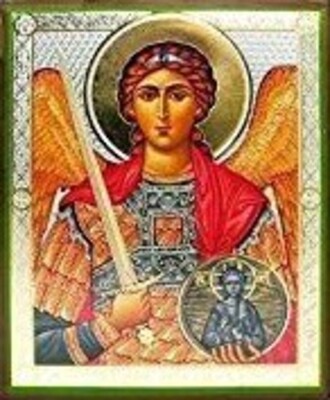
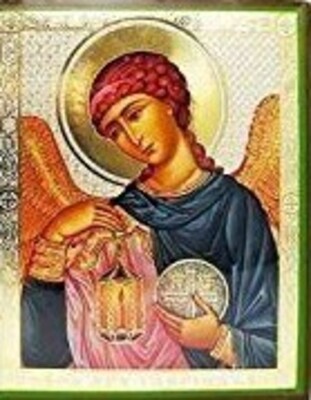
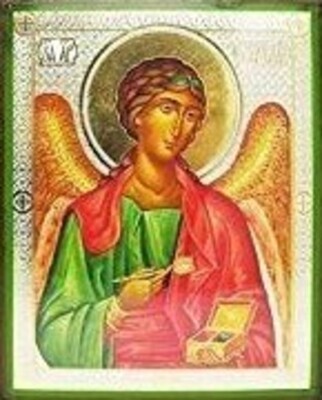
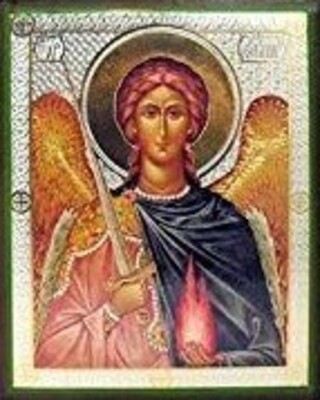
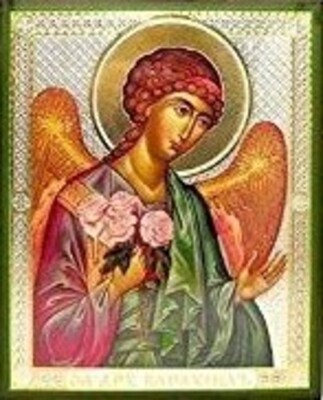
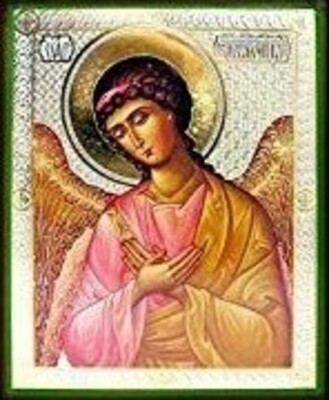
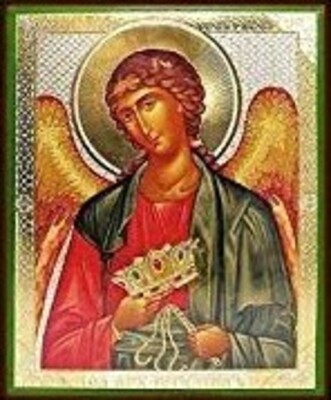
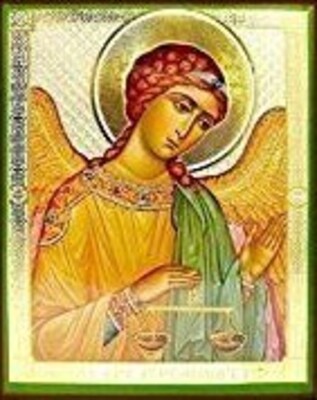
| Archangel | Name Meaning |
|---|---|
| Michael | Who is like God? |
| Gabriel | Man of God |
| Raphael | Healing of God |
| Uriel | Fire of God |
| Barachiel | Blessing of God |
| Salathiel | Prayer of God |
| Jegudiel | Glory of God |
| (Jeremiel) | (Raising of God) |
Despite their name, these are ranked as Seraphim.
An additional incorporeal power, here in parenthesis, is sometimes added.
The first four (Michael-Uriel) are who stand in the corners of the chariot (mercaba) of God, watched over the camps of Israel in the wilderness, & are set over the winds.
Hebrew
| Name | Greek | Meaning |
|---|---|---|
| Iabe | iabé | Existing |
| Saddai | saddai | Sufficient |
| Eloim | elōī́m | Everlasting |
| Ellion | elliōn | Most High |
| El | ēl | God |
| Eli | ēli | My God |
| Adonai | adōnai | Existing Lord |
| Rhabboni | rhabbōni | Lord |
| Sabaoth | sabaṓth | Hosts |
| Amen | amḗn | Verily |
| Alleluia | hallēluiá | Praise the Lord |
| Hosanna | hōsanná | Save us, we pray |
| Sabbath | sábbaton | Cease |
| Memra | memra | Word (cf. Lógos) |
| Shecania | secania | Dwelling |
| Mercaba | mercaba | Chariot |
| (The Tetragrammaton, Iabe, is usually translated & read as Lord.) |
References
- John of Damascus, St. “An Exact Exposition of the Orthodox Faith” in: The Fount of Knowledge.
- Mogila, Peter, St. Catechism.
- Gregory of Nyssa, St. Great Catechism.
- Ignatius Theophorus, St. Epistles.
- Irenæus of Lyons, St. Against Heresies.
- Epiphanius of Salamis, St. Panarium.
- Epiphanius of Salamis, St. On Weights & Measures.
- Dionysius the Areopagite, St. The Ecclesiasitcal Hierarchy.
- Dionysius the Areopagite, St. The Celestial Hierarchy.
- Nicodemus the Hagiorite, St; Macarius of Corinth, St. The Philocalia.
- Velimirović, Nikolai, St. The Prologue from Ochrid