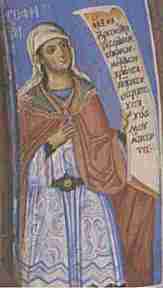
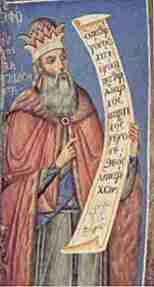
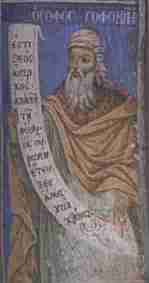
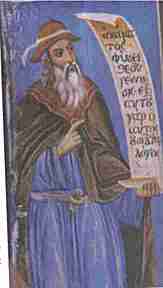
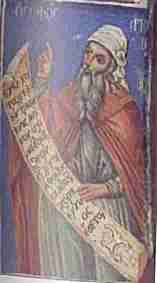
The Sibyl, Thales, Sophocles, & Philosophers Plato, Aristotle, & Apollonius.
Nation
Tradition
🇫🇷 Celtic
Druids
🇬🇷 Greek
Pythagoræans
Stoics
Platonists
Epicureans
🇪🇬 Ægyptian
Prophets
🇮🇶 Assyrian
Chaldæans
🇮🇷 Persian
Magians
🇮🇳 Indian
Brachmins
Samanæans
Pythagoræans included the Peripatetics.
Stoics included the so-called Sceptics
Epicureans included the so-called Democritæans &
Pyrrhonists.
Prophets are also called Gnostics.
Magians are also called Zoroastrians.
Brachmins are contemporarily called Hindus.
Samanæans are contemporarily called Buddhists.
Idols
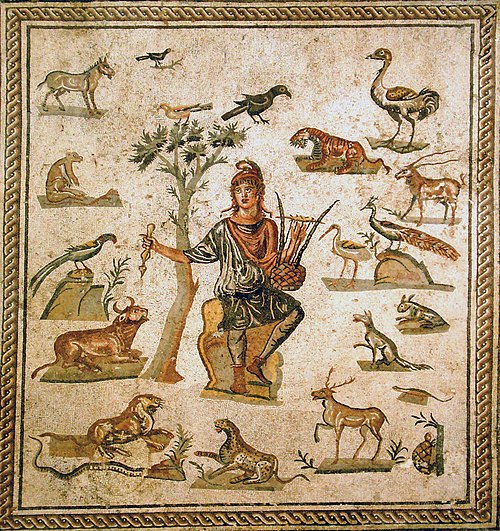
Orpheus the Thracian.
Latin
Greek
Ægyptian
Assyrian
Persian
Chaos
Chaos
Erebus
Erebus
Cupid
Eros
Nox
Nyx
Ether
Æther
Dies
Hemera
Tellus
Ge
(Cissare)
Cælus
Uranus
Nut
Anus
Tethys
Tethys
Tauthe
Oceanus
Oceanus
Apason
Saturn
Cronus
Ceb
Ninurtu
Zervan
Ops
Rhea
Venus
Aphrodite
Hathor
Istar
Anaïte
Atlas
Atlas
Latona
Leto
Buto
Vesta
Hestia
————
Ceres
Demeter
Isis
Juno
Hera
————
Dis
Hades
Amenthes
Arimanius
Neptune
Posidon
————
Jupiter
Zeus
Ammon
Bel
Horomases
Sol
Apollo
Horus
Samas
Mithras
Diana
Artemis
Bubastis
Sin
Men
Mars
Ares
Onuris
Nirgal
Minerva
Athena
Neith
Vulcan
Hephæstus
Phtha
Ao
Mercury
Hermes
Theuth
Nebo
Liber
Dionysus
Osiris
Proserpina
Persephone
Hercules
Heracles
Su
Vediovis
Asclepius
Imythes
(uncertain identification)
Chaos:
As Chaos, is also called Chasma.
Dies:
As Dies, is also called Aurora.
As Hemera, is also called Eos.
Tellus:
As Ge, is also called Gæa.
As Cissare, is also called Ci.
Tethys:
As Tethys, is also called Thalassa.
As Tauthe, is also called Thalatté.
Saturn:
As Cronus, is also called Chronus.
As Dagon, is identified, by some, as the chief god of
the Phœnecians, also called Marnus.
Venus:
As Istar, is also called Mylitta & Astarte.
As Chabar, also called Alilat, was the chief god of
the Arabians. The fragments of the head of her idol are
embed in the black stone at Mecca. Previously, the
Arabians worshipped her with Aluzza & Manat.
Dis:
As Dis & Hades, is also called Pluto.
Jupiter:
As Jupiter, is also called Jove, & is identified,
by some, with Faunus, also called Inuus.
As Zeus, is also called Dias, & is identified, by
some, with Pan.
As Bel, is also, by some, called Illinus, &
identified with Phœnecian Dagon & Chanaanite
Chamos.
Sol:
As Sol & Apolló, is also called Phœbus.
As Apollo, is also called Helius.
Diana:
As Artemis, is also called Selene.
As Selene, is also called Mene.
Minerva:
As Athena, is identified, by some, with Assyrian
Anaïte.
Mercury:
As Hermes, is identified, by some, with Ægyptian
Anubis.
Liber:
As Liber & Dionysus, is also called Bacchus
As Dionysius, is also called Phanés, Métis,
Ericepæus, Æon, Zagreus, & Sabazius.
As Osiris, is also called Serapis.
Proserpina:
As Persephone, is also called Coré & Praxidice.
Other Nations
Latin
Norse
Slavic
Indian
Chinese
Chaos
(Hun-tun)
Dies
(Zorya)
Tellus
Joerd
(Bumi)
Cælus
(Dyaus)
(Tien)
Saturn
Njord
Venus
Frigg
Atlas
(Ymir)
(Pan-ku)
Latona
Vesta
Ceres
Juno
Dis
(Veles)
Neptune
Jupiter
Thor
Perun
Indra
Sol
Sol
(Dažbog)
Diana
Mani
Mars
Tyr
Minerva
Vulcan
Svarog
(Agni)
Mercury
Odin
(Tsang-chieh)
Liber
(uncertain identification)
Tellus:
As Joerd, is, by some, identified with Fjoergyn.
Jupiter:
As Indra, is also called Višnu, & identified
with Kalki, Krišna, Rama, Parašurama,
Vamana, Narasima, Varacha, Kurma, Matsya,
&, by some, with Buddha.
Mars:
As Tiw, is also, by the Latins, called Mars
Thingsus.
Orders
Latin
Greek
Ægyptian
Assyrian
Persian
Superior
Olympian
Ennead
Igigi
Yazad
Infernal
Titan
Ogdoad
Anunnachi
Daeva
Latin
Norse
Slavic
Indian
Chinese
Superior
Ass
Deva
Infernal
Joetunn
Asura
The Persian Yazad is also called Ahura.
The Indian Deva is also called Sura.
Catalogues
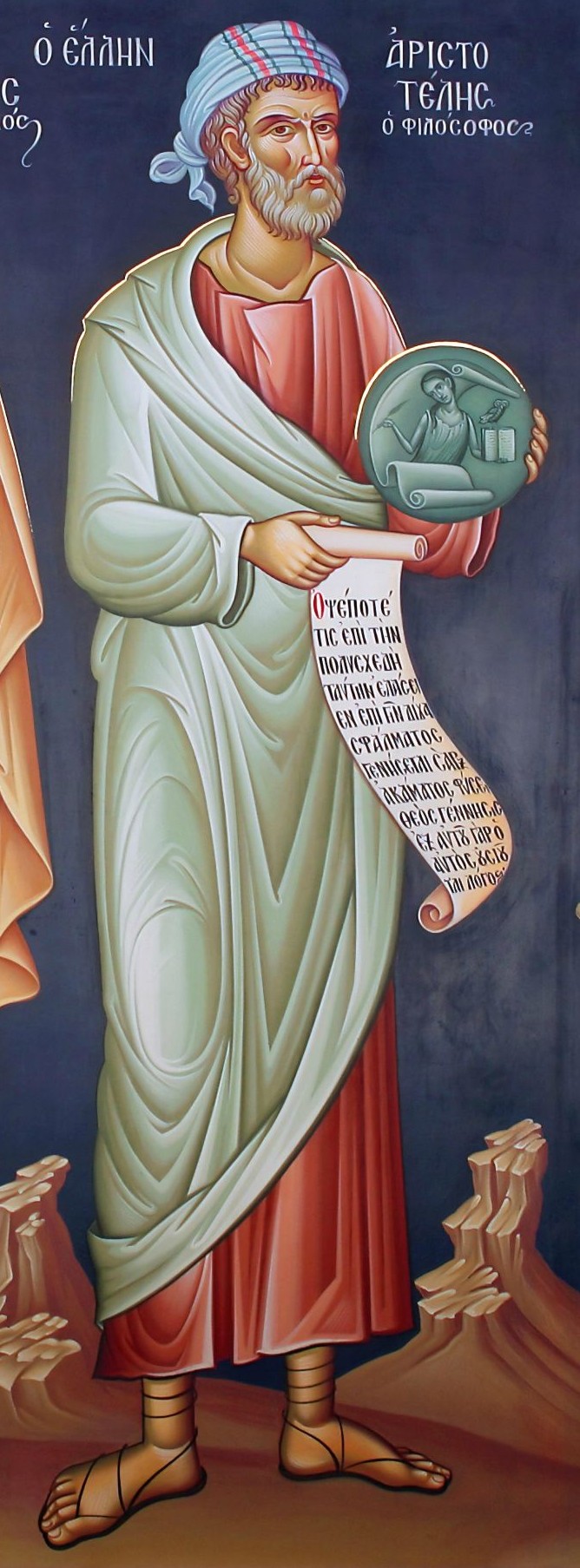
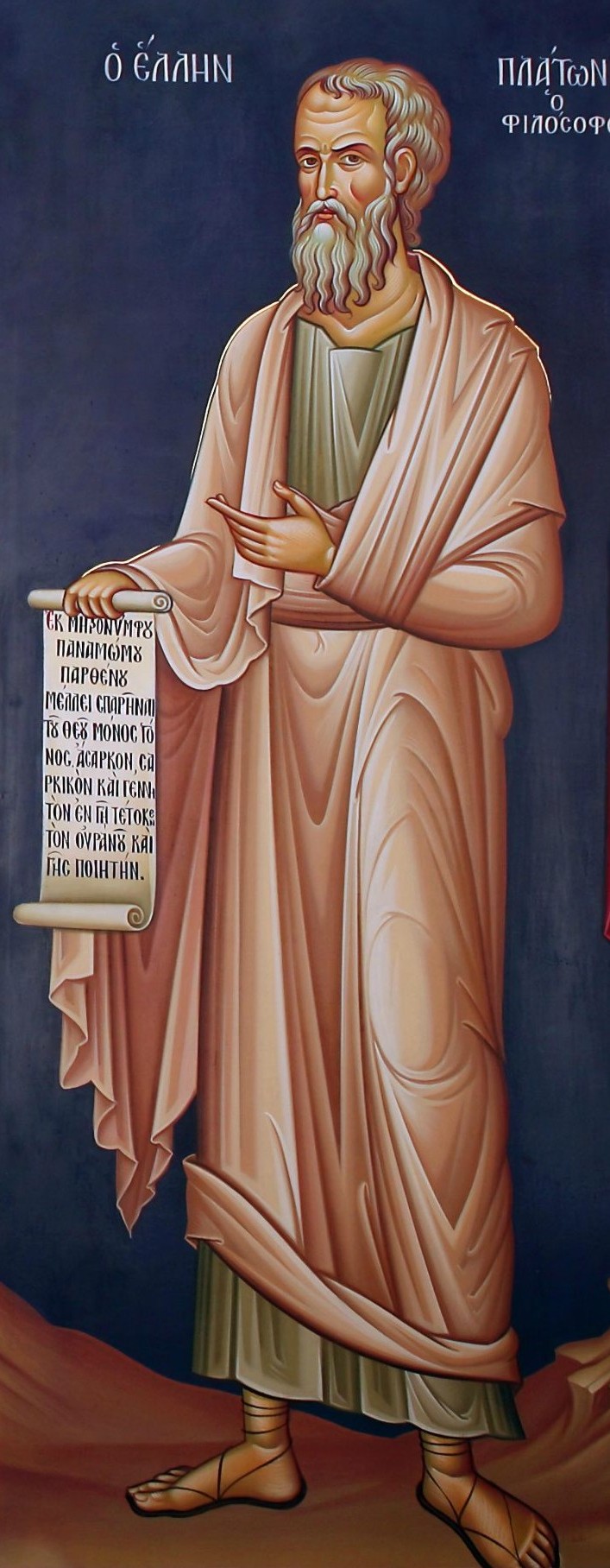
Aristotle the teacher of Alexander, & Plato the founder of the Academy.
For a want of traditional lists of the complete writings of
the philosophers, here they are:
Plato
The Athenian theater grouped plays into tetralogies, three
tragedies with a comedy. So are the works of Plato ordered
into nine tetralogies.
By Diogenes Laërtius:
Tragedies
Comedy
Euthyphro
The Apology
Crito
Phædo
Cratylus
Theætetus
The Sophist
The Statesman
Parmenides
Philebus
The Symposium
Phædrus
I Alcibiades
II Alcibiades
Hipparchus
The Lovers
Theages
Charmides
Laches
Lysis
Euthydemus
Protagoras
Gorgias
Meno
Hippias Major
Hippias Minor
Ion
Menexenus
Clitophon
The Republic
Timæus
Critias
Minos
The Laws
Epinomis
Letters
Aristotle
By Andronicus of Rhodes:
Logic
“Organon”
Categories
On Interpretation
Prior Analytics
Posterior Analytics
Topics
On Sophistical Refutations
Physics
Physica
On the Heavens
On Generation & Corruption
Meteorology
On the Universe
On the Soul
“Parva Naturalia”
Sense & Sensibilia
On Memeory
On Sleep
On Dreams
On Divination in Sleep
On Length & Shortness of Years
On Youth, Old Age, Life & Death, & Respiration
On Breath
History of Animals
Parts of Animals
Movement of Animals
Progression of Animals
Generation of Animals
On Colors
On Things Heard
Physiognomonics
On Plants
On Marvellous Things Heard
Mechanics
Problems
On Indivisible Lines
The Situations & Names of Winds
On Melissus, Xenophanes, & Gorgias
Metaphysics
Metaphysics
Ethics
Nicomachean Ethics
Great Ethics
Eudemian Ethics
On Virtues & Vices
Politics
Economics
Poetics
Rhetoric
Rhetoric to Alexander
Poetics
References
John of Damascus, St. “On Heresies” in: The Fount of
Knowledge.
Epiphanius of Salamis, St. Panarium.
Sysoev, Daniel, St. A Chronicle of the Beginning
Plato. Timæus.
Damascius. Difficulties & Solutions of First Principles.
Hesiod. Theogony.
Homer. Illiad.
Iamblichus. The Theology of Arithmetic.
Plutarch. “On Isis & Osiris” in: Moralia.
Porphyry. On Abstinence from Animal Food.
Herodotus. Histories.
Strabo. Geography.
Laërtius, Diogenes. Lives & Opinions of Eminent
Philosophers.